Retaining Wall Design & Installation
Engineered retaining walls that transform slopes into usable space while preventing erosion.
(406) 831-1994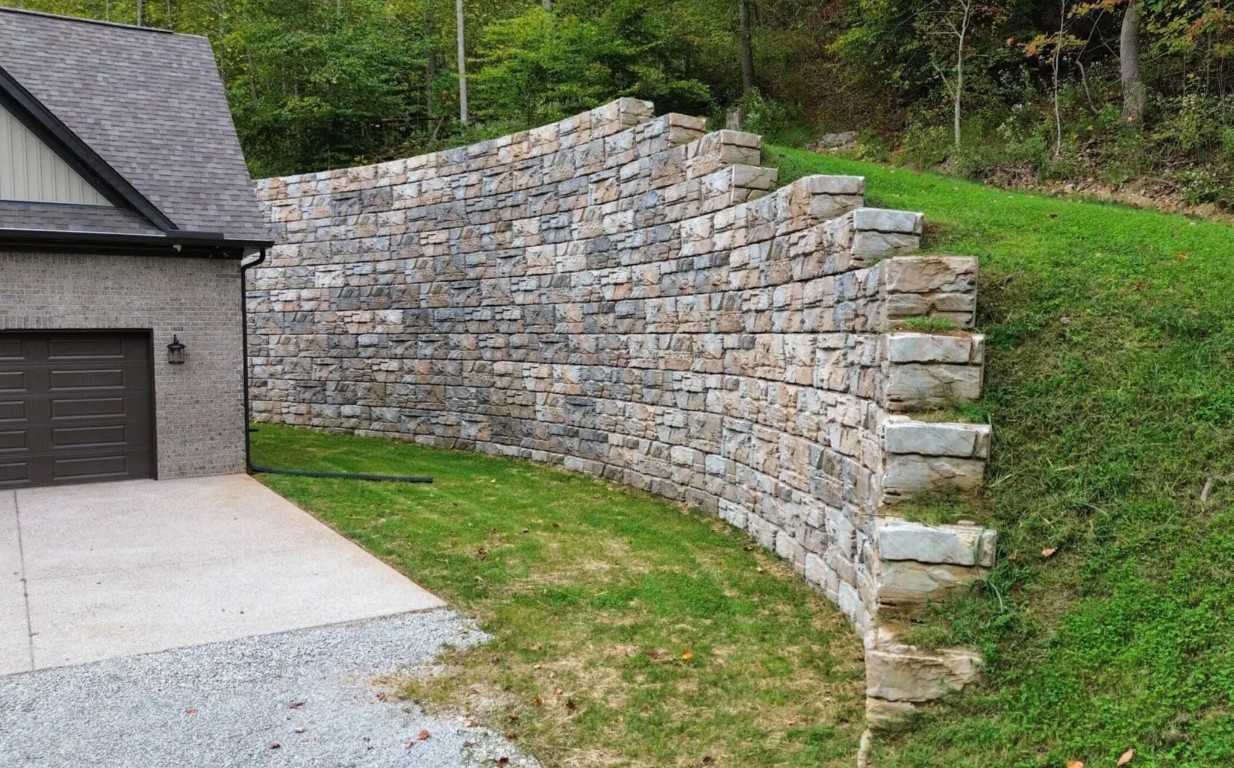
Turning Problem Slopes Into Functional Landscapes
Your sloped yard presents challenges that flat properties never face. Erosion washes away soil with every heavy rain. Mowing steep grades risks injury and equipment damage. Usable outdoor space shrinks to small flat areas. Water runoff threatens foundations and landscaping. A properly designed retaining wall solves all these problems while adding significant property value and curb appeal to your Billings home.
Retaining walls do more than hold back dirt. They redirect water flow away from vulnerable areas, create level terraces for gardens or patios, prevent soil migration that undermines structures, and transform unusable slopes into functional outdoor living spaces. At MB Billings Masonry, we design retaining walls that balance engineering requirements with aesthetic appeal, ensuring your wall performs flawlessly while enhancing your landscape design.
Here is what most homeowners do not realize about retaining walls. Every wall over four feet tall requires engineering calculations to ensure structural stability. Soil type, water table depth, frost line, and load bearing all factor into proper design. Drainage behind the wall determines whether it lasts decades or fails within years. Building codes in Billings specify setback requirements, footing depth, and reinforcement needs. Amateur retaining wall construction often ignores these critical factors, leading to expensive failures.
Signs You Need a Retaining Wall
- •Visible erosion channels cutting through your sloped yard after rainstorms
- •Foundation drainage problems caused by water running toward your house
- •Difficulty maintaining landscaping on steep slopes where plants wash away
- •Desire to create level outdoor living space for patios or entertaining areas
- •Existing failing retaining wall showing cracks, bulging, or tilting
- •Soil creep slowly moving downhill and threatening structures or utilities
Engineering Meets Aesthetics in Every Wall
Successful retaining wall projects start with comprehensive site assessment. We evaluate slope angle, soil composition, drainage patterns, and proximity to structures or property lines. This information determines wall height, setback requirements, footing specifications, and drainage system design. Every site presents unique challenges requiring customized solutions rather than one-size-fits-all approaches.
Material selection balances durability, appearance, and budget considerations. Natural stone creates timeless beauty that complements any architectural style. Concrete block systems offer cost-effective solutions with various face textures and colors. Brick provides classic elegance matching existing masonry features. We guide you through options, explaining pros and cons of each material for your specific application and aesthetic goals.
Critical Elements of Proper Retaining Wall Construction
Foundation preparation makes or breaks retaining wall longevity. We excavate below frost line to prevent heaving, create level compacted base material for stability, and install proper drainage systems behind and beneath the wall. Drainage proves absolutely critical because water pressure behind retaining walls causes most failures. We install drainage aggregate, filter fabric, and perforated pipes that channel water away from the wall structure.
Wall construction follows engineered specifications precisely. Each course gets set level and properly aligned. Backfill happens in lifts with compaction between layers to prevent settling. Drainage systems get installed as walls rise, not as afterthoughts. Cap stones provide finished appearance while protecting wall tops from water infiltration. Every detail receives attention because shortcuts lead to failures.
Permits and inspections protect your investment. Billings building codes exist for good reasons, ensuring retaining walls meet safety standards and do not create problems for neighboring properties. We handle all permit applications and schedule required inspections. Our work consistently passes inspection because we build to code and beyond. This same commitment to quality and compliance applies across all our services, from brick repair to complete custom patio construction.
Why Retaining Walls Fail and How We Prevent It
We regularly get calls about failing retaining walls installed by unqualified contractors or ambitious DIYers. These walls show common failure patterns including forward tilting from inadequate drainage, foundation settlement from improper base preparation, frost heaving from shallow footings, and bulging from excessive soil pressure. Understanding why walls fail helps us design and build walls that succeed.
Water management determines retaining wall lifespan more than any other factor. Saturated soil weighs significantly more than dry soil and exerts enormous pressure against walls. Without proper drainage, hydrostatic pressure builds until something gives. We install comprehensive drainage systems including weep holes, drainage pipes, and gravel backfill that keep water moving away from wall structures. This attention to water management prevents the failures we see in amateur installations.
Maintaining Your Retaining Wall Investment
Proper maintenance extends retaining wall life and prevents small problems from becoming major failures. Keep drainage outlets clear of debris that blocks water flow. Monitor for signs of movement including cracks, tilting, or bulging that indicate developing problems. Address vegetation growing in wall joints before roots compromise structural integrity. Clean efflorescence deposits that indicate water movement through masonry.
Regular inspections catch problems early when repairs remain simple and affordable. We recommend annual visual inspections after spring thaw when freeze-thaw damage becomes apparent. Professional assessments every few years provide expert evaluation of wall condition and drainage system performance. Proactive maintenance costs far less than emergency repairs or complete wall reconstruction.
Retaining wall projects often integrate with broader landscape improvements. Terraced walls create multiple level areas for gardens, seating, or entertaining. Combining retaining walls with steps provides safe access between levels. Lighting integration extends outdoor space usability into evening hours. Our comprehensive approach means we coordinate retaining wall construction with other masonry elements, ensuring cohesive design and efficient project completion.
Frequently Asked Questions
Transform Your Sloped Yard Today
Get a free site assessment and custom retaining wall design for your property.
Call (406) 831-1994