Tuckpointing & Repointing Services
Professional mortar restoration that protects your masonry and prevents costly water damage.
(406) 831-1994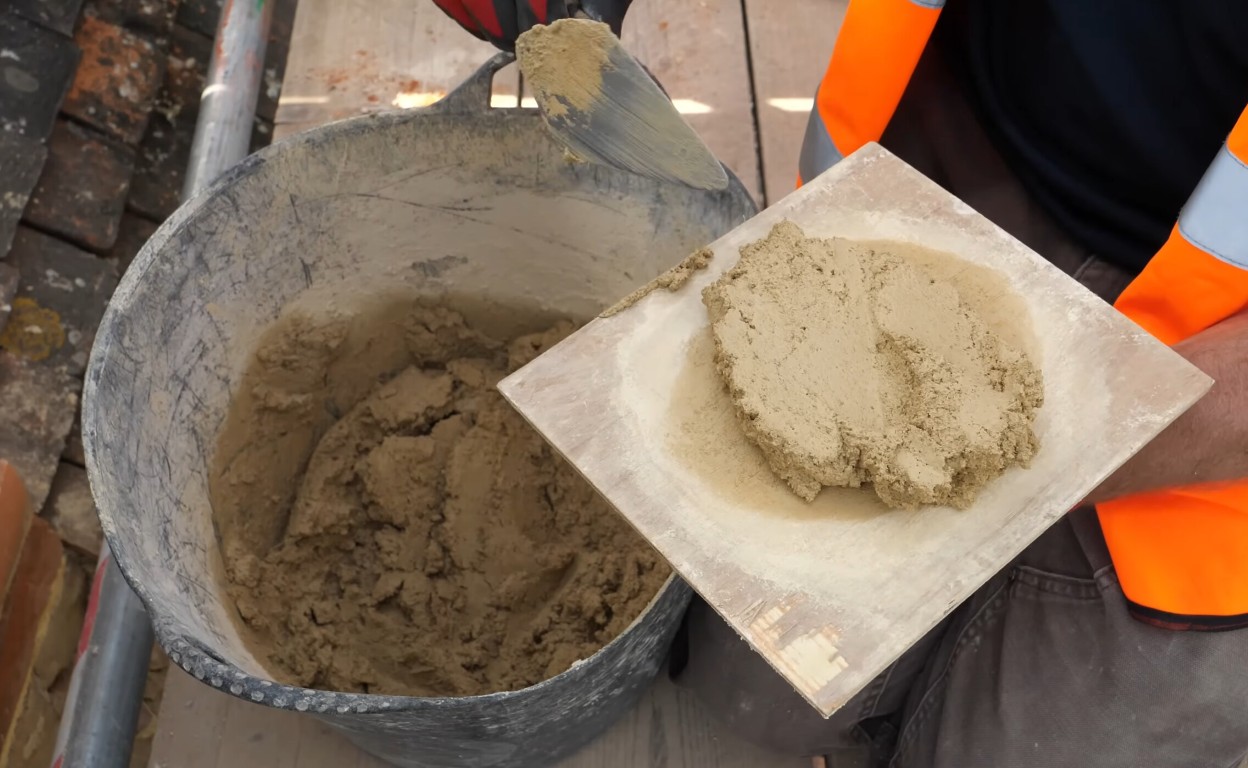
What Is Tuckpointing and Why It Matters
Walk past any brick building in Billings and you will notice the lines between bricks. Those mortar joints do more than hold bricks together. They create a flexible seal that moves with temperature changes, channels water away from the building interior, and protects brick edges from damage. When mortar deteriorates, your entire masonry structure becomes vulnerable to serious problems. That is where tuckpointing comes in.
Many people confuse tuckpointing with repointing, and honestly, the terms get used interchangeably in our industry. Technically, repointing means removing damaged mortar and replacing it with new material that matches your existing joints. Tuckpointing refers to a decorative technique where we use two different mortar colors to create the illusion of fine joint lines. At MB Billings Masonry, we handle both traditional repointing and decorative tuckpointing with equal expertise.
Here is what makes mortar restoration so critical. Mortar is actually designed to be the weak point in masonry walls. This sounds backward until you understand the reasoning. Mortar sacrifices itself to protect more expensive, harder-to-replace bricks. When water penetrates walls or walls shift slightly, soft mortar absorbs the stress instead of cracking bricks. Over decades, this protective sacrifice means mortar needs replacement while bricks remain sound.
Signs Your Mortar Needs Professional Attention
- •Crumbling mortar that you can scrape out with your finger or a key
- •Gaps between bricks and mortar joints deeper than one quarter inch
- •Water stains or dampness on interior walls near exterior masonry
- •Cracks running through mortar joints in stair-step patterns
- •White powdery deposits on brick surfaces indicating moisture movement
- •Loose or shifting bricks that rock when you press on them
How We Restore Your Mortar Joints Properly
Proper repointing requires more skill than most homeowners realize. We cannot just slap new mortar into old joints and call it done. The process starts with carefully removing deteriorated mortar to a consistent depth, typically three quarters to one inch deep. This removal must happen without damaging brick edges. Power tools make quick work but risk chipping bricks. Hand chisels take longer but provide better control on delicate masonry.
Mortar matching separates professional work from amateur attempts. Your original mortar has specific properties including compressive strength, color, texture, and flexibility. Using modern Portland cement mortars on older buildings creates problems because that mortar is harder than historic brick. The rigid modern mortar traps moisture and transfers stress to softer brick, causing spalling and damage. We analyze your existing mortar composition before mixing replacement material.
Why Mortar Composition Matters
Historic buildings in Billings used lime-based mortars that flex with seasonal movement and allow moisture to evaporate through joints. These soft mortars protect brick by absorbing stress. Modern cement-heavy mortars create the opposite effect. They lock bricks in place, forcing movement stress into the brick itself. When water gets trapped behind cement mortar, freeze-thaw damage destroys brick faces.
We mix mortar on-site to match your building needs. For historic properties, this means using high-lime content with appropriate sand gradation and minimal Portland cement. For newer construction, we balance durability with proper flexibility. Color matching involves careful sand selection and sometimes pigment addition to replicate your original mortar appearance. The goal is invisible repairs where new work blends seamlessly with existing masonry.
Weather timing affects repointing success significantly. We schedule mortar work when temperatures stay above freezing and below ninety degrees. Mortar needs proper curing time to develop full strength and weatherproofing properties. Rushing work or working in poor conditions leads to failures within months. Our commitment to quality means sometimes we reschedule projects to ensure conditions support lasting repairs. This attention to detail extends across all our services, from brick repair and restoration to complete structural work.
Investment in Your Building Long-Term Health
Homeowners often hesitate at repointing costs without understanding the value proposition. Yes, professional tuckpointing represents a significant investment. But consider what happens without it. Water penetration leads to interior damage, mold growth, and structural deterioration. Freeze-thaw cycles destroy brick faces, requiring complete brick replacement instead of simple mortar work. Foundation damage from water infiltration costs exponentially more than preventive repointing.
We price repointing projects based on wall area, accessibility, mortar condition, and matching requirements. A simple residential wall repair costs far less than scaffolding a three-story commercial building. Historic mortar matching adds expense but provides essential protection for older structures. During your consultation, we provide detailed estimates that break down costs clearly so you understand exactly what you are paying for.
How Long Does Repointing Last?
Properly executed repointing should last twenty-five to thirty years or longer depending on exposure and climate conditions. South-facing walls endure more weather stress and may need attention sooner than sheltered areas. Quality workmanship and appropriate mortar selection determine longevity. We occasionally see amateur repairs failing within five years because someone used incorrect mortar or improper techniques.
Regular maintenance extends repointing lifespan. Keep gutters clean to prevent water overflow onto masonry. Trim vegetation away from walls to improve air circulation and reduce moisture retention. Address minor cracks promptly before they expand into major problems. These simple steps protect your investment and avoid premature deterioration.
Repointing often reveals other masonry issues requiring attention. During mortar removal, we might discover damaged brick, failing lintels, or structural cracks. This is actually good news because catching problems early prevents expensive emergencies later. Our comprehensive approach means we address all masonry needs together, whether that involves chimney repairs, brick replacement, or structural reinforcement.
Frequently Asked Questions
Protect Your Masonry Investment
Schedule your free assessment and get an honest evaluation of your mortar condition.
Call (406) 831-1994